

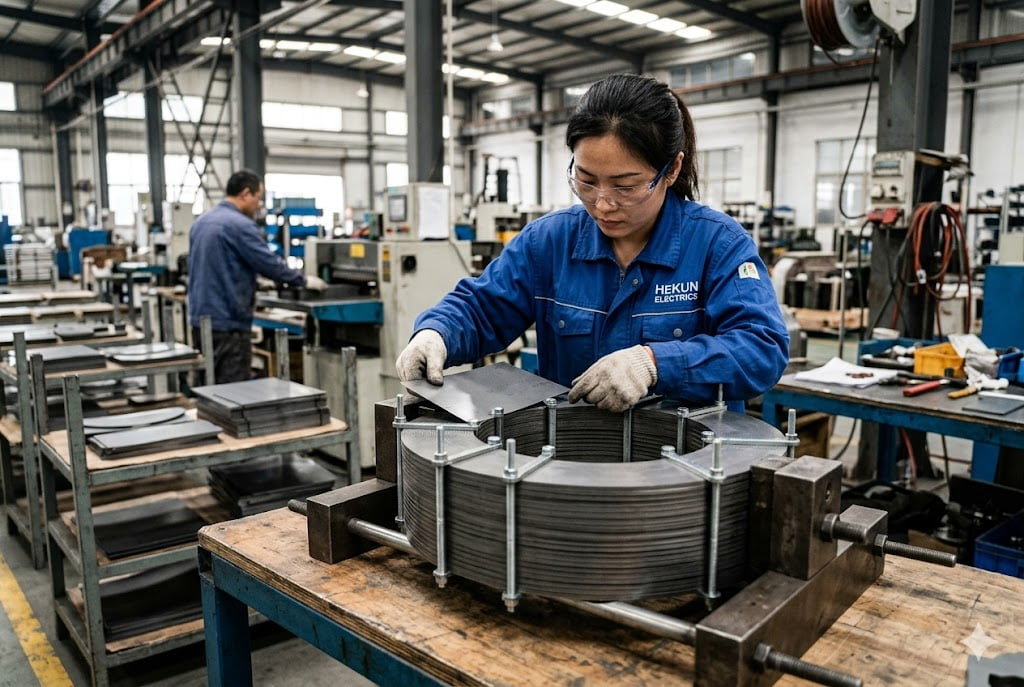
Industrial power systems often face challenges. Inefficient layouts or frequent downtime can impact operations. A poorly planned cable distribution box can cause significant problems for an entire system.
Optimizing cable distribution box layout in industrial power distribution systems involves careful planning of component placement, cable routing, and accessibility. This ensures reliable power delivery, reduces maintenance effort, and enhances overall operational safety. Proper design helps avoid common issues and improves system efficiency.
Many industrial setups require efficient power management. A smart layout for a cable distribution box is not just about aesthetics. It is about ensuring smooth power flow and maintaining operational safety. Planning in this area can prevent many issues and reduce long-term costs.
What are the key considerations when designing a power distribution system?
Designing a power distribution system involves multiple elements. Overlooking key factors can lead to future issues and unexpected expenses.
When designing a power distribution system, key considerations include safety, reliability, efficiency, scalability, and ease of maintenance. Each aspect plays a vital role in ensuring the system performs optimally, meets current needs, and can adapt to future demands effectively.
Early experiences in system design show the importance of thorough planning. A system designed for quick setup, but lacking in accessible components or organized cabling, often leads to persistent operational problems and higher long-term costs. A well-considered design requires attention to detail from the start.
Safety First
Safety is paramount in any electrical system. Protecting personnel and equipment is critical. Electrical hazards pose significant risks. A well-designed system incorporates appropriate protective devices and clear labeling. This helps prevent accidents and ensures safe operation.
| Safety Aspect | Description | Importance |
|---|---|---|
| Overcurrent Protection | Fuses and circuit breakers | Prevents fires and equipment damage |
| Grounding | Proper earth connections | Reduces electric shock risk |
| Insulation | Materials that restrict electrical current flow | Protects against contact with live conductors |
| Arc Flash Hazard | Limiting energy from electrical faults | Protects personnel from severe burns |
Reliability is Key
A power system must operate consistently. Downtime results in financial losses. Robust components are necessary to ensure durability. Implementing backup plans is also important. If a component fails, a redundant system can maintain power flow. Regular inspections support ongoing operational stability.
Efficiency Matters
Energy conservation is an important goal. An efficient system consumes less power, leading to lower operating costs. High-quality cables and transformers minimize energy loss through heat. An optimized layout also ensures power is delivered with minimal waste.
Scalability for the Future
As operations expand, the power system must adapt. Designing for scalability allows for future additions without complete overhauls. This approach saves costs by accommodating growth through modular upgrades rather than entirely new installations. Planning for future needs simplifies system modifications.
Ease of Maintenance
Components will require servicing or replacement. Designing for accessibility simplifies maintenance tasks. Clear diagrams and labels are valuable. This reduces repair times and minimizes operational interruptions. Efficient maintenance is crucial for system longevity.
What are the disadvantages of using a power distribution box?
Power distribution boxes are widely used. Awareness of their potential drawbacks is important. While they offer benefits, they can introduce problems if not managed correctly.
While power distribution boxes offer organized power delivery, disadvantages can include limited space for expansion, potential for heat buildup if not properly ventilated, and complex troubleshooting if not clearly labeled. Improper installation or component selection can also lead to reliability issues and increased maintenance costs.
Experiences with new installations sometimes highlight the pitfalls of cost-cutting. Using inexpensive distribution boxes can lead to issues like overheating and difficult maintenance due to cramped cabling. Such problems often necessitate more costly replacements later, underscoring the importance of quality choices.
Limited Space
Distribution boxes have defined dimensions. This can pose challenges for future expansion. Adding new circuits or components might be difficult due to space constraints. This limits the system's adaptability to increased power demands. Considering future needs during selection is crucial.
Heat Buildup
Electrical components generate heat. In enclosed spaces, this heat can accumulate. Excessive heat can shorten component lifespan and lead to failures. Adequate ventilation, such as fans or vents, is essential to manage internal temperatures and prevent overheating.
Complex Troubleshooting
Identifying problems can be difficult when system layouts are unorganized. Messy cabling inside a distribution box prolongs troubleshooting efforts. Clear labeling and organized internal arrangements are critical. These measures significantly reduce repair times.
| Disadvantage | Impact on System | Mitigation Strategy |
|---|---|---|
| Space Constraints | Difficulty adding new circuits | Plan for future expansion, utilize modular boxes |
| Thermal Issues | Reduces component lifespan, safety risk | Ensure proper ventilation, integrate cooling fans |
| Maintenance Difficulty | Increased repair times, higher costs | Implement clear labeling, organize internal layout |
| Customization Costs | Standard boxes may not meet specific needs | Consider custom solutions when necessary |
Installation and Maintenance Costs
While distribution boxes centralize power, initial setup can be complex. This requires skilled labor, impacting installation costs. Poorly designed box layouts can also increase ongoing maintenance expenses. Regular inspections are vital for long-term cost efficiency.
Vulnerability to Environment
Distribution boxes can be exposed to environmental factors like dust, moisture, or corrosive agents. If the enclosure does not have adequate protection, internal components can be damaged. Selecting boxes with appropriate Ingress Protection (IP) ratings is essential to safeguard internal equipment.
What are the three main steps in power distribution?
Understanding the fundamental process of electricity delivery is straightforward. Knowing how power travels from its source to its point of use clarifies the entire system.
The three main steps in power distribution are generation, transmission, and distribution. Generation creates electricity, transmission moves it over long distances at high voltage, and distribution reduces the voltage for safe delivery to end-users like industrial facilities and residential areas.
An analogy often used to describe this process is the flow of water. Water originates from a source, representing generation. It then travels through large rivers over vast distances, similar to transmission. Finally, smaller channels and pipes deliver water to individual consumers, paralleling distribution.
Step 1: Generation
Electricity begins at power generation facilities. These plants produce electrical energy. Sources can include fossil fuels, hydroelectric, wind, or solar power. Maintaining a stable power supply is necessary. The amount of electricity generated must match consumer demand. This marks the initial stage of the process.
Step 2: Transmission
Following generation, electricity travels extensive distances. It moves through high-voltage transmission lines. This method ensures efficient transport. Less energy is lost during long-distance transmission at higher voltages. Higher voltage results in lower current, which minimizes heat loss.
Step 3: Distribution
As electricity approaches urban or industrial areas, its delivery method changes. It is directed to substations where its voltage is reduced. This makes it safe for consumption. Smaller distribution lines then carry the power to individual buildings. This is the final stage, delivering usable power to end-users.
| Step | Description | Key Component | Purpose |
|---|---|---|---|
| Generation | Creation of electrical energy | Power Plants (e.g., thermal, hydro) | Produce electricity |
| Transmission | Long-distance transport of high-voltage power | High-voltage transmission lines, towers | Efficiently convey bulk electricity |
| Distribution | Delivery of reduced-voltage power to end-users | Substations, distribution lines, transformers | Make power safe and accessible for consumers |
How to design a power distribution system?
Designing a robust power system is critical. A clear and systematic approach is essential to prevent errors and ensure long-term operational success for industrial facilities.
Designing a power distribution system involves understanding power requirements, selecting appropriate components like transformers and switchgear, and planning the physical layout. This systematic approach ensures safety, reliability, and efficiency, providing a stable power supply for all operations.
Redesigning an outdated factory's power system can illustrate the process. Such projects often start with mapping the entire system, from the main power inlet to every machine. Breaking the task into clear, manageable steps makes it feasible and ultimately successful.
Understand Power Requirements
Begin by analyzing power needs. Identify all equipment, their power consumption, and peak load demands. This data determines the necessary total power capacity. Consider future expansion to accommodate new machinery or increased production.
- Load Analysis: Catalog all equipment and their power demands.
- Peak Demand: Determine the periods of highest power usage.
- Future Expansion: Plan for potential additions or increased capacity.
Component Selection
Select appropriate components, including transformers, switchgear, circuit breakers, and cables. Each component must meet the system's power requirements, reliability standards, and safety regulations. High-quality parts that conform to industry standards help prevent failures.
- Transformers: Match voltage levels and power capacity.
- Switchgear: Provides control and protection for electrical circuits.
- Circuit Breakers: Protect against overloads and short circuits.
- Cables: Choose appropriate size and insulation based on current and environment.
Layout Planning
Determine the physical arrangement of components. Plan the location of the main distribution board and optimize cable routes for efficiency. Short, clear paths reduce energy loss and simplify maintenance. Ensure accessibility for safe work practices.
| Layout Aspect | Key Considerations | Benefit |
|---|---|---|
| Centralization | Main distribution board in accessible area | Easier monitoring and control |
| Cable Management | Organized routing, proper support | Reduces damage, simplifies troubleshooting |
| Accessibility | Clear pathways for maintenance | Faster repairs, improved safety |
| Environmental Factors | Protection from dust, moisture, temperature | Extends component life, ensures reliability |
Protection and Safety Measures
Integrate essential safety features. This includes proper grounding systems, surge protection, and emergency stop mechanisms. Ensure all installations comply with relevant safety regulations. These measures protect personnel and equipment from electrical faults.
Documentation
Maintain comprehensive documentation for the entire system. This includes detailed drawings, diagrams, and labels. Records of all installed components are also vital. Clear documentation facilitates future maintenance, troubleshooting, and upgrades, minimizing errors and saving time.
My Insights: How to Optimize Cable Distribution Box Layout for Industrial Power Distribution Systems
Facing inefficiencies in your power distribution system? Discover strategies to optimize cable distribution box layouts for safety, scalability, and performance.
Optimizing cable distribution box layouts involves modular design, clear labeling, efficient cooling, and proper grounding. By integrating digital monitoring and planning for future expansion, you ensure safety, system efficiency, and compliance with evolving standards.
Strategies for Effective Layout Design
Key Considerations
- Placement: Position boxes near load centers to minimize cable length and reduce power loss.
- Separation: Differentiate power and control wiring to prevent interference and simplify maintenance.
- Space Management: Ensure accessible spacing for inspections and future expansion.
Practical Tips
| Strategy | Description |
|---|---|
| Modular Design | Encourages scalability and straightforward maintenance |
| Labeling | Minimizes installation errors and facilitates troubleshooting |
| Cooling and Grounding | Prevents overheating and electrical hazards |
Layout Workflow
- Load Analysis: Calculate total load and divide into zones.
- Proximity: Place boxes close to each zone's load center.
- Cable Routing: Separate power/control cables and maintain straight paths.
By adhering to these design considerations and workflow practices, industrial facilities can enhance efficiency, improve safety, and support future growth in their power distribution systems.
Conclusion
Optimizing the cable distribution box is crucial for industrial power systems. It ensures safety, reliability, and efficiency. Through careful design, component selection, and future planning, a robust system can be built to support operations for years.