
Voltage Regulator & Voltage Transformer
Eliminate voltage fluctuations and power losses in critical infrastructure.
Epoxy resin cast design with self-extinguishing properties. Engineered for indoor installations requiring high safety standards, moisture resistance, and minimal maintenance.
Quick Navigation
Select a section to explore
Application
Sectors
Proven performance across critical infrastructure and industrial environments
Power Grids
Distribution substations
Manufacturing
Production facilities
Commercial
Office buildings
Data Centers
Server infrastructure
Medical
Hospital equipment
Rail Transit
Metro systems
Mining
Heavy machinery
Renewable
Solar & wind farms
Product
Lineup
Comprehensive range of dry-type transformers for diverse power requirements
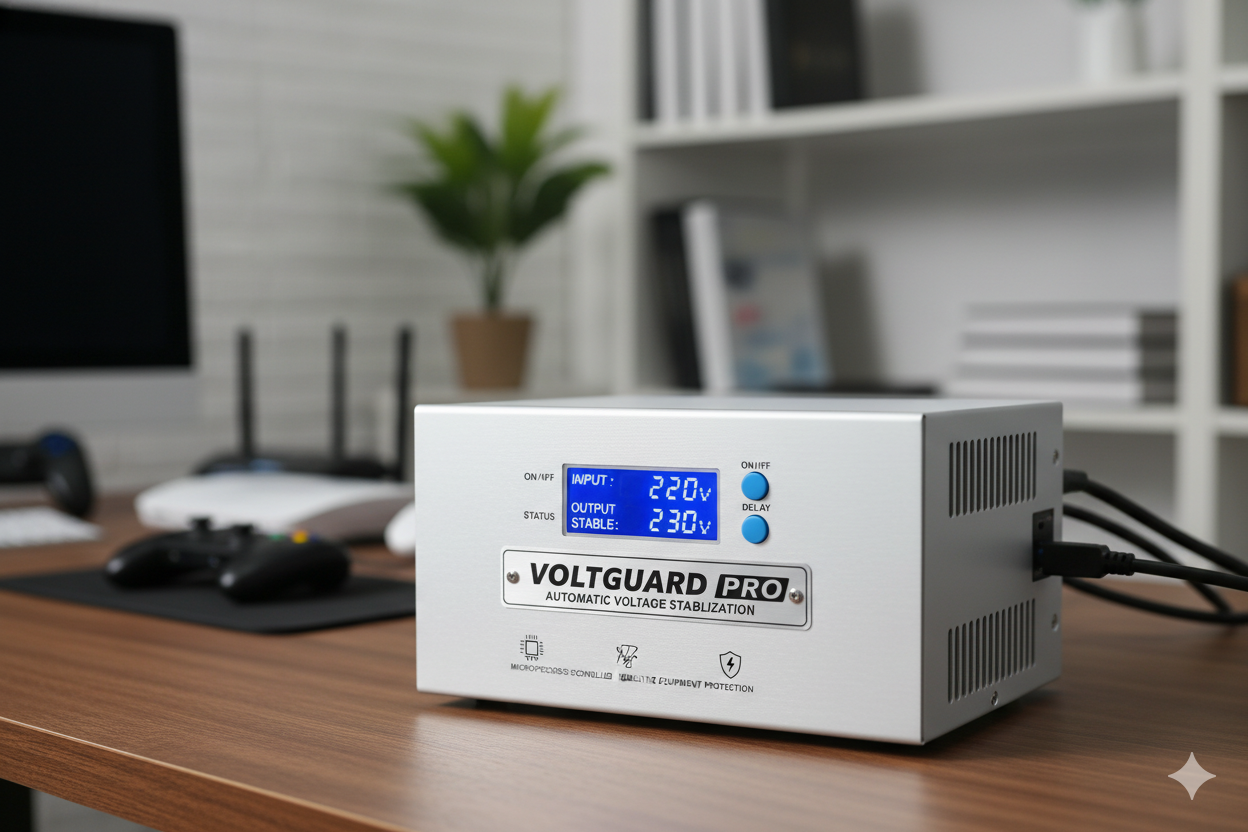
Voltage Regulator
Automatic voltage stabilization, microprocessor-controlled, ideal for sensitive equipment protection.
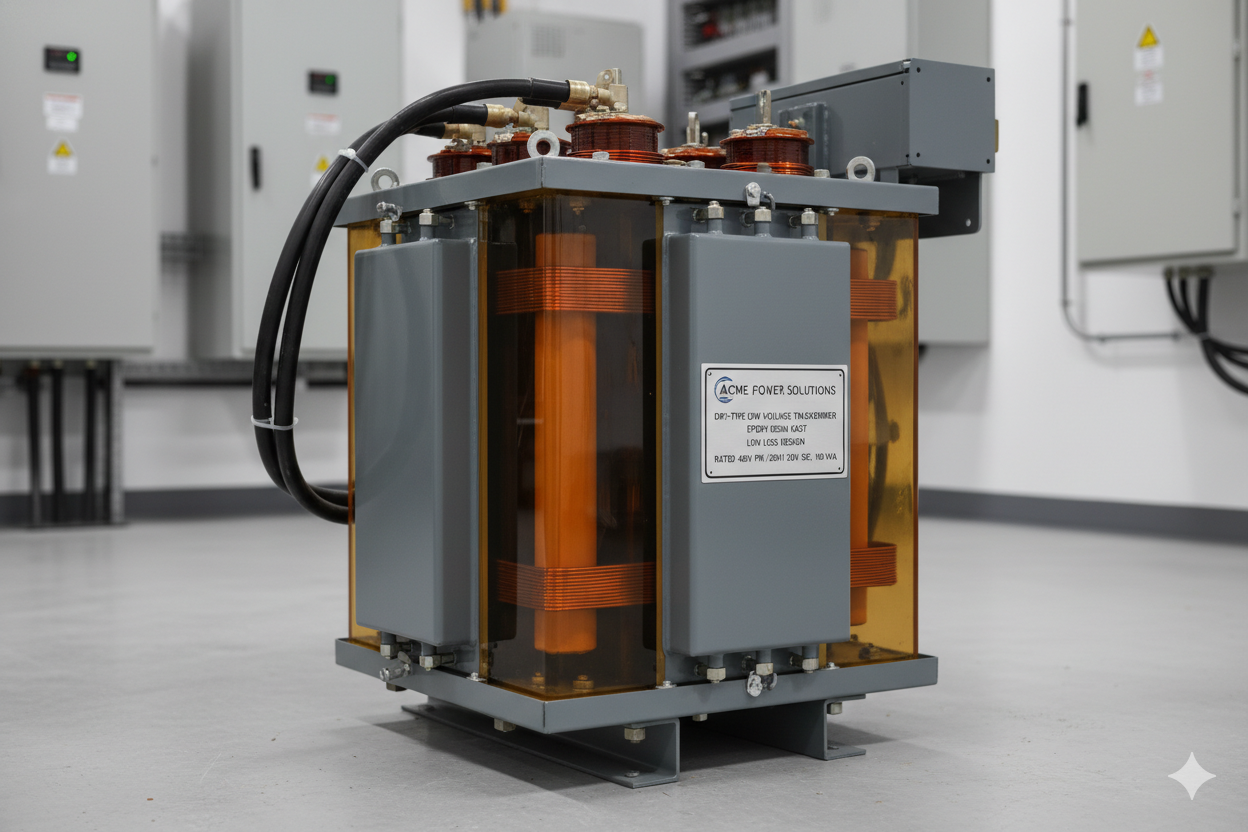
Low-Voltage Transformer
Dry-type epoxy resin cast, low loss design, widely used in industrial applications.
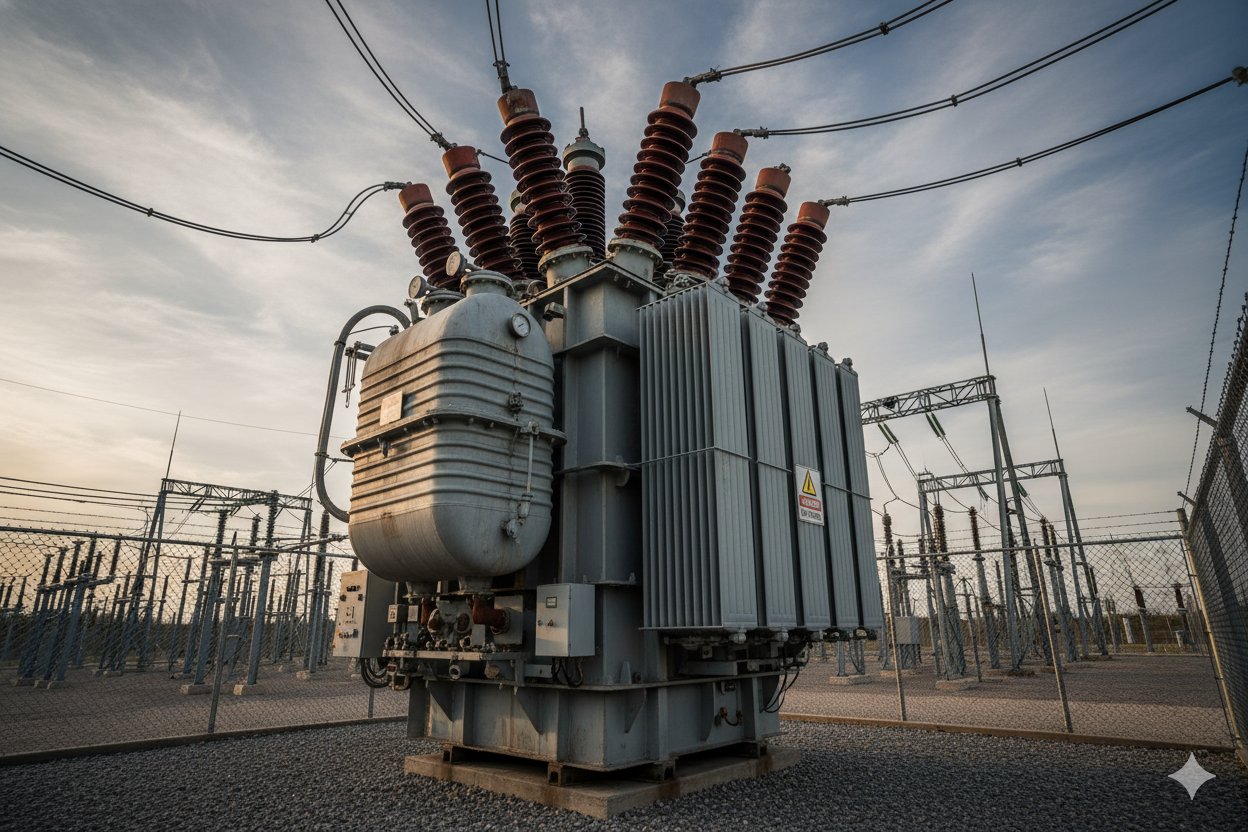
High-Voltage Transformer
Oil-immersed design, superior heat dissipation for power grids and substations.
Precision Power Matrix
ISO 9001 & CE Certified — Wenzhou, China
System Architecture
Technical Production
Precision Catalog
Capacity
Calculator
Determine the optimal transformer capacity for your application
Based on your requirements, we recommend the above transformer capacity. Contact our technical team for detailed specifications and customization options.
Get Custom Quote
Client
Testimonials
Trusted by industry leaders worldwide
Frequently Asked
Questions
Technical answers to common inquiries
What is the typical lifespan of a dry-type transformer?
How do I determine the correct transformer capacity for my facility?
What certifications do Wenfei transformers have?
Can transformers be customized for specific applications?
What maintenance is required for dry-type transformers?
What is the typical lead time for orders?
Do you provide installation and commissioning services?
What warranty coverage is provided?
The Definitive
Guide
Comprehensive technical reference for dry-type transformers
What Are Dry-Type Transformers?
Dry-type transformers use air as the cooling medium instead of oil or other liquid coolants. The core and coils are encapsulated in epoxy resin, providing superior insulation, moisture resistance, and fire safety. This design makes them ideal for indoor installations where fire safety regulations prohibit oil-filled transformers, such as commercial buildings, hospitals, data centers, and manufacturing facilities.
Core Technologies
Epoxy Resin Casting
Coils are vacuum-cast in epoxy resin under controlled conditions, creating a solid insulation system that protects against moisture, dust, and chemical contaminants. This process eliminates air pockets and ensures uniform dielectric strength throughout the winding.
Amorphous Alloy Core
Advanced core materials reduce no-load losses by up to 70% compared to traditional silicon steel. The amorphous metal structure minimizes hysteresis and eddy current losses, resulting in superior energy efficiency and lower operating costs.
Natural Air Cooling
Optimized ventilation channels and heat dissipation fins ensure efficient cooling without forced air systems. The design maintains safe operating temperatures even under continuous full-load conditions, extending component lifespan.
Modular Construction
Standardized components and modular design simplify installation, maintenance, and future upgrades. Replaceable parts reduce downtime and total cost of ownership over the transformer's service life.
Technical Specifications
| Parameter | SCB13 Series | SCB10 Series | SCB11 Series |
|---|---|---|---|
| Capacity Range | 50-2500 kVA | 100-1600 kVA | 30-1000 kVA |
| Voltage Class | 10/0.4 kV | 10/0.4 kV | 10/0.4 kV |
| No-Load Loss | < 0.3% | < 0.2% | < 0.25% |
| Load Loss | < 1.2% | < 1.0% | < 1.1% |
| Efficiency | > 98% | > 98.5% | > 98.2% |
| Noise Level | < 50 dB | < 45 dB | < 48 dB |
| Protection Class | IP20-IP54 | IP20-IP54 | IP20-IP44 |
| Temperature Rise | < 100K | < 100K | < 100K |
Selection Guidelines
1. Calculate Total Load Demand
Sum all connected loads in kilowatts (kW). Include lighting, HVAC, production equipment, office equipment, and any planned future additions. Use actual measured data when available, or nameplate ratings with appropriate demand factors.
2. Apply Power Factor Correction
Typical power factors: Industrial loads (0.8), Mixed commercial (0.85), Office buildings (0.9), Resistive loads (0.95). Lower power factors require larger transformer capacity. Consider installing power factor correction capacitors for heavily inductive loads.
3. Include Safety Margin
Apply safety factors based on application criticality: Commercial buildings (1.2×), Industrial facilities (1.3×), Data centers (1.4×), Medical facilities (1.5×). This accounts for load growth, harmonic distortion, and ensures operation below rated capacity for extended lifespan.
4. Consider Environmental Factors
Ambient temperature, altitude, humidity, and air quality affect transformer performance. Standard ratings assume 40°C ambient and 1000m altitude. Higher temperatures or altitudes require derating. Corrosive or dusty environments need higher IP protection ratings.
Installation Best Practices
- 1. Site Preparation: Ensure adequate ventilation clearances (minimum 1m on all sides for units up to 1000 kVA, 1.5m for larger units). Verify floor load capacity exceeds transformer weight plus installation equipment. Provide level, non-combustible mounting surface.
- 2. Electrical Connections: Use properly sized cables per NEC/IEC standards. Torque terminal connections to manufacturer specifications. Install cable glands with appropriate IP rating. Verify phase sequence and voltage ratios before energization.
- 3. Grounding System: Connect transformer frame to building ground grid using minimum 50mm² copper conductor. Ensure ground resistance < 4Ω. Bond neutral point per local electrical codes. Install surge protection devices on primary and secondary sides.
- 4. Protection Devices: Install appropriately rated circuit breakers or fuses on primary and secondary sides. Configure overcurrent protection per transformer characteristics. Add temperature monitoring for critical applications. Implement differential protection for units > 1000 kVA.
- 5. Commissioning Tests: Perform insulation resistance test (minimum 1000V megger). Verify turns ratio and polarity. Measure winding resistance. Check no-load current and losses. Conduct load test at 25%, 50%, 75%, and 100% capacity.
Maintenance Schedule
- • Visual inspection
- • Check for unusual noise
- • Verify ventilation paths
- • Monitor load levels
- • Record temperature readings
- • Thermal imaging scan
- • Clean ventilation openings
- • Inspect connections
- • Check protection devices
- • Test alarm systems
- • Insulation resistance test
- • Winding resistance test
- • Voltage ratio verification
- • Load loss measurement
- • Comprehensive inspection report
Why Choose Wenfei?
Since 2019, Wenfei Electrical has been at the forefront of transformer technology, combining advanced manufacturing processes with rigorous quality control. Our 10,000m² production facility in Liushi, Wenzhou--the heart of China's electrical equipment industry--houses state-of-the-art testing laboratories and precision manufacturing equipment.
Every transformer undergoes comprehensive factory testing including routine tests (ratio, polarity, resistance, no-load, impedance) and type tests (temperature rise, impulse withstand, short circuit). Our quality management system ensures consistent performance and reliability across all product lines, backed by ISO 9001 certification and CE compliance.
Request A
Quote
Get detailed specifications and pricing for your project
Request A
Quote
Get in touch with our technical team to discuss your power solution requirements. We provide customized quotations and engineering support.
Liushi Town, Wenzhou, Zhejiang, China